



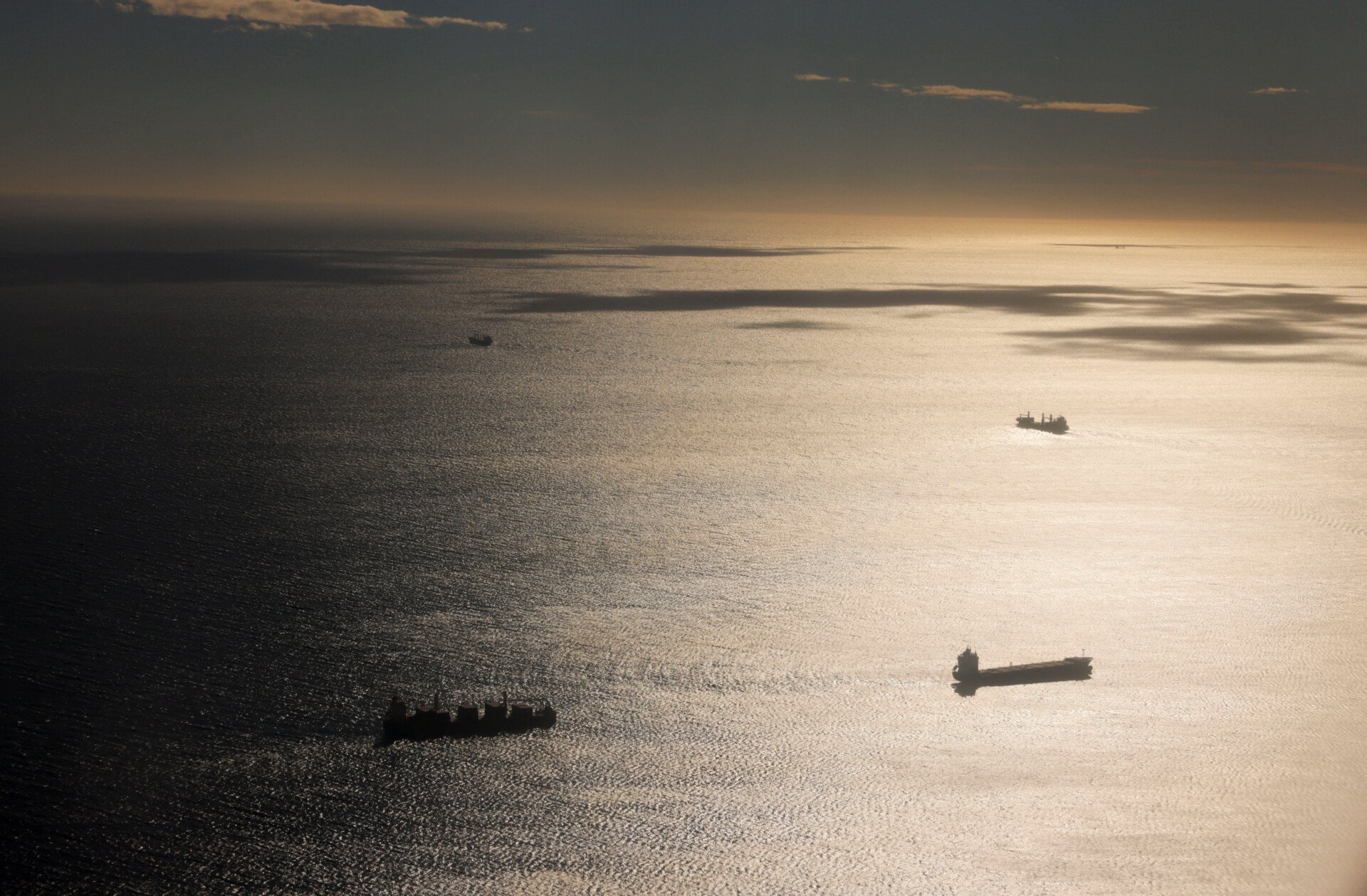
The shipping industry is once again bracing for the geopolitical ramifications in the Middle East, as tensions escalate and the possibility of closing the Strait of Hormuz looms. The Iranian parliament has approved a resolution, placing the final decision in the hands of the Supreme Security Council of Iran.
Industry experts confirmed to “N” that tankers continue to load oil as usual, although tanker rates have increased significantly and risk premiums are surging. Additionally, extensive interference with GPS systems is complicating navigation for vessels.

Maria Bertzeletou, a senior market analyst at “The Signal Group,” told “N” that, for now, the threat of closing the Strait of Hormuz remains just that—a threat.
Nonetheless, she noted that some ships have been recorded transiting through the territorial waters of Oman.
“The greatest risk for the region is the Houthis becoming active, reminiscent of the situation in the Red Sea two years ago,” she remarked.
Although vessel transits have continued without incident thus far, the market outlook indicates a potential shift.
“Ship movements through the Strait of Hormuz remain largely unaffected due to existing contracts with the companies involved,” sources stated.
However, vessels in the area face navigation challenges, as their GPS systems may be offline for at least two days, necessitating reliance on other electronic navigation aids.
The Ministry of Maritime Affairs and Insular Policy is maintaining heightened vigilance. Ministry sources indicated that around 200 ships with Greek interests are currently operating in the broader Persian Gulf and Gulf of Oman regions.
Blockade and Retaliation
The decision to close the Strait of Hormuz—critical for approximately 20% of the world’s oil and gas supply—has not yet been finalized.
In this geopolitical context, shipping expert Cameron Livingstone emphasized in a statement that while Tehran could technically close the Strait, doing so strategically is much more complex.
Livingstone elaborated, “Iran possesses the military capability to disrupt traffic through the Strait using mines, fast attack crafts, and anti-ship missiles.”
A decision by Tehran to impose a “blockade” could lead to severe retaliatory measures, economic isolation, and almost certain military escalation.
“Furthermore, Iran relies on the Strait to ensure its primary customers—India, China, and Pakistan—can access Iranian oil,” he concluded.


